About the hospital
A hospital built for the families of Bareilly
Vidya Shanti Hospital was set up to give patients in Bareilly and the surrounding districts access to specialist care without travelling to Delhi or Lucknow for every serious illness.
Our story
The hospital began as a small nursing home with a handful of beds and two consulting rooms, treating the everyday medical and surgical problems of families in Civil Lines and the neighbourhoods around it. Patients who needed intensive care or a specialist opinion had to be referred elsewhere, often at short notice and considerable cost to the family.
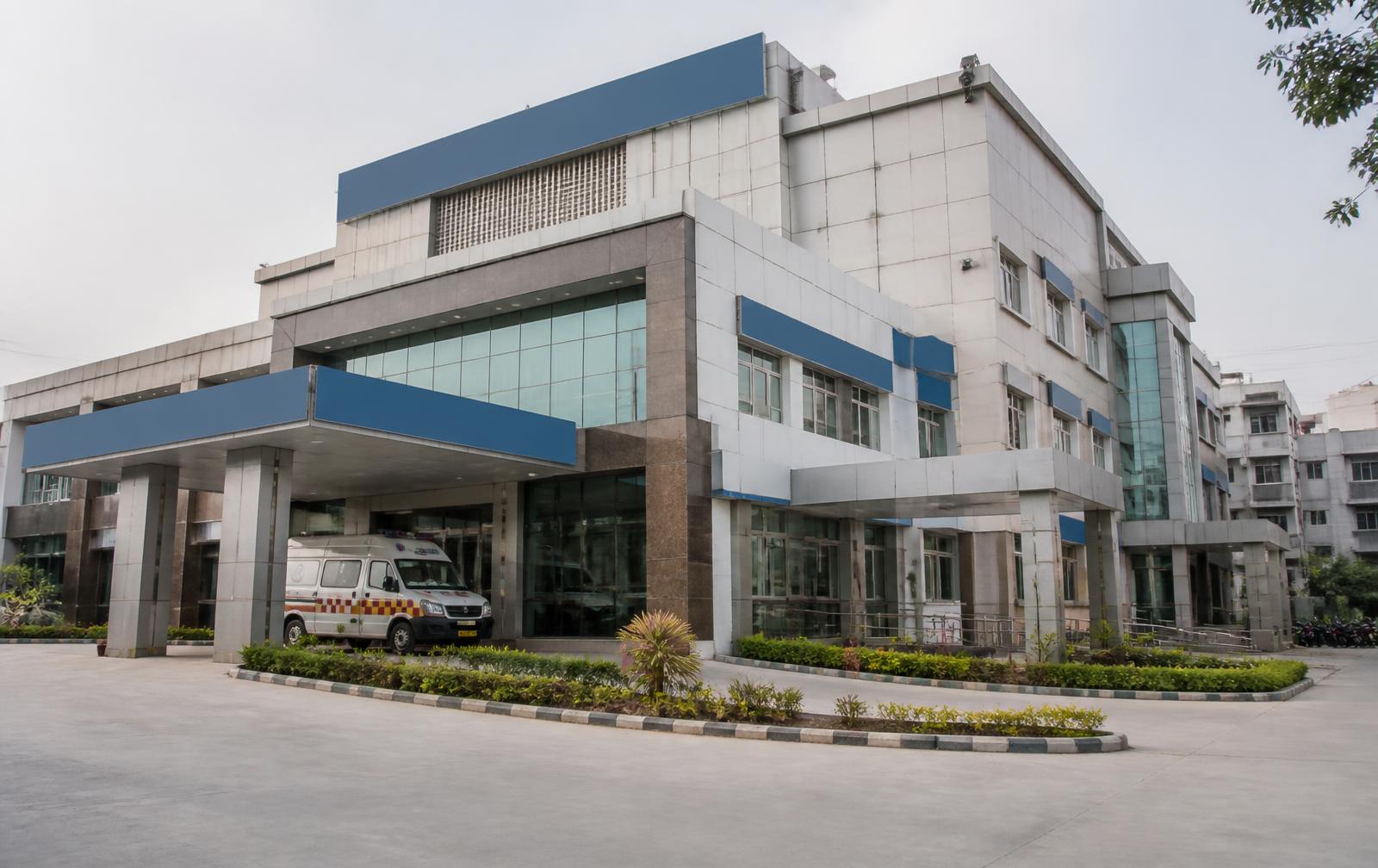
Over the years the hospital added an operation theatre, an intensive care unit, an in-house laboratory and imaging services, and brought consultants in orthopaedics, gynaecology, paediatrics, cardiology and ENT onto a regular schedule. Today Vidya Shanti Hospital operates 10 departments from a single building, so a patient who arrives with chest pain at midnight can be assessed, investigated and admitted without being moved between facilities.
What has not changed is the way the hospital works. Consultants keep fixed hours so that follow-up is with the same doctor. Costs are explained before treatment begins. And every diagnosis is explained in the language the family speaks at home.
Our mission
To provide dependable, ethically practised medical care to the people of Bareilly district — available at any hour, explained in plain language, and priced so that families are not forced to choose between treatment and financial ruin.
Our vision
To be the hospital that families in western Uttar Pradesh turn to first — not because it is the largest, but because the care is consistent, the staff are accountable, and patients leave understanding their own illness.
The values we hold ourselves to
Dignity first
Every patient is addressed by name, examined in privacy and told what is being done and why — regardless of the room category they can afford.
Honest advice
We do not advise a test, a procedure or an admission that a patient does not need. Where treatment can wait or be managed at home, we say so.
Clinical discipline
Written protocols for infection control, antibiotic use and surgical safety, reviewed by the medical committee rather than left to individual habit.
Infrastructure
Clinical facilities that support every department in the hospital.
Operation theatres
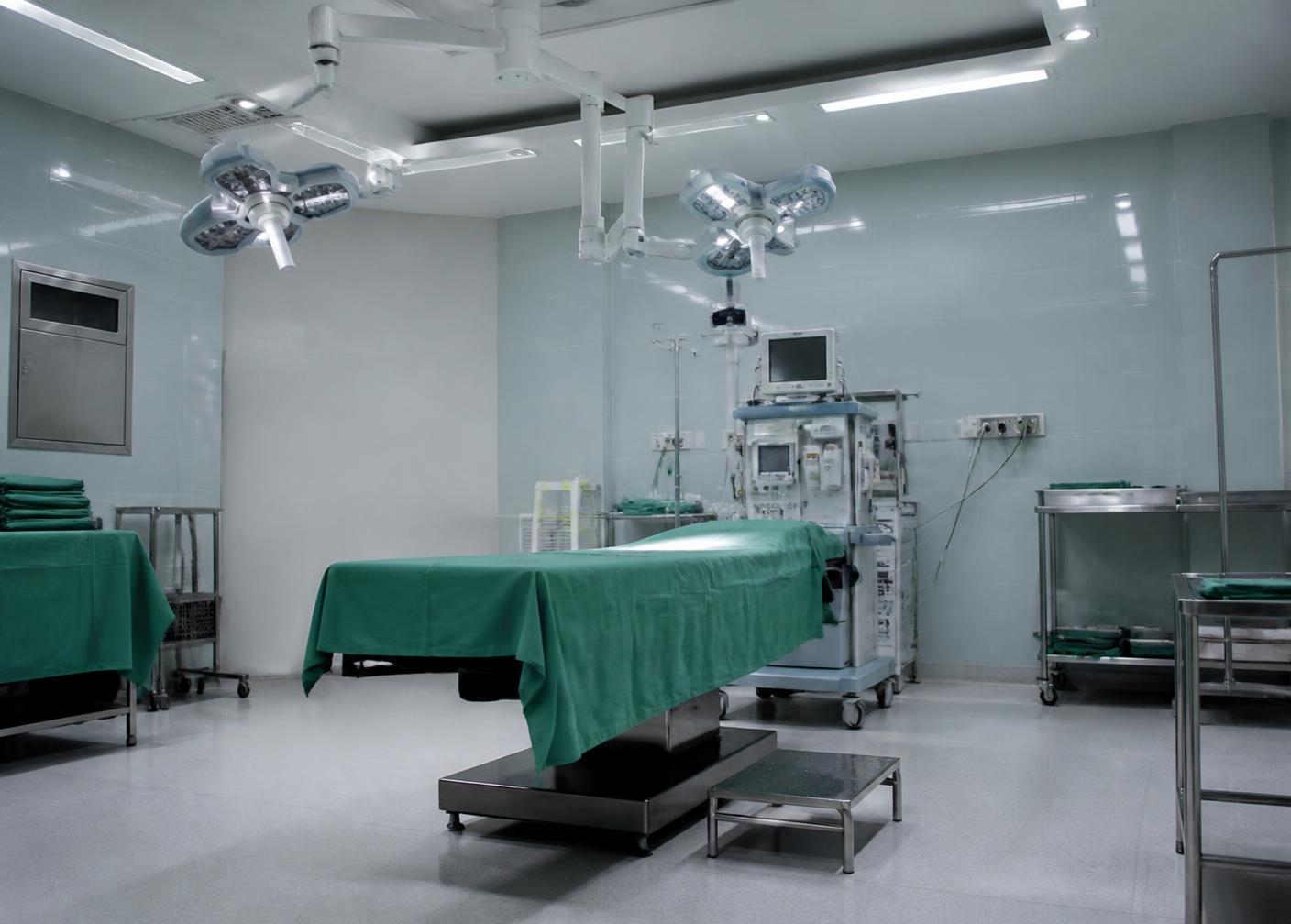
Modular theatres with laminar airflow, piped medical gases and a dedicated recovery area, used for general, orthopaedic, gynaecological and ENT surgery.
Intensive care unit
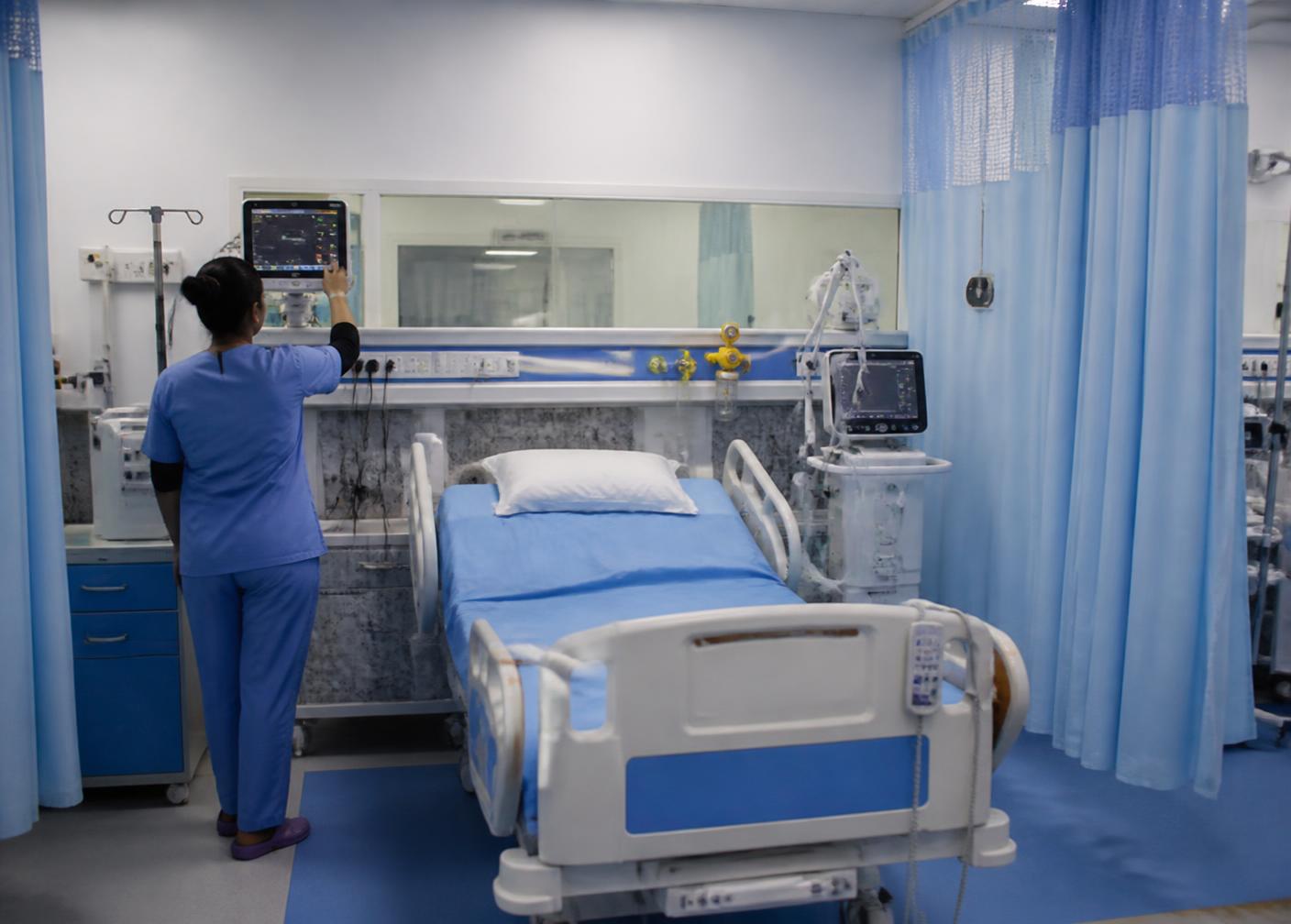
Monitored beds with ventilator support, infusion pumps and central monitoring, staffed by trained critical-care nurses at all hours.
Inpatient rooms
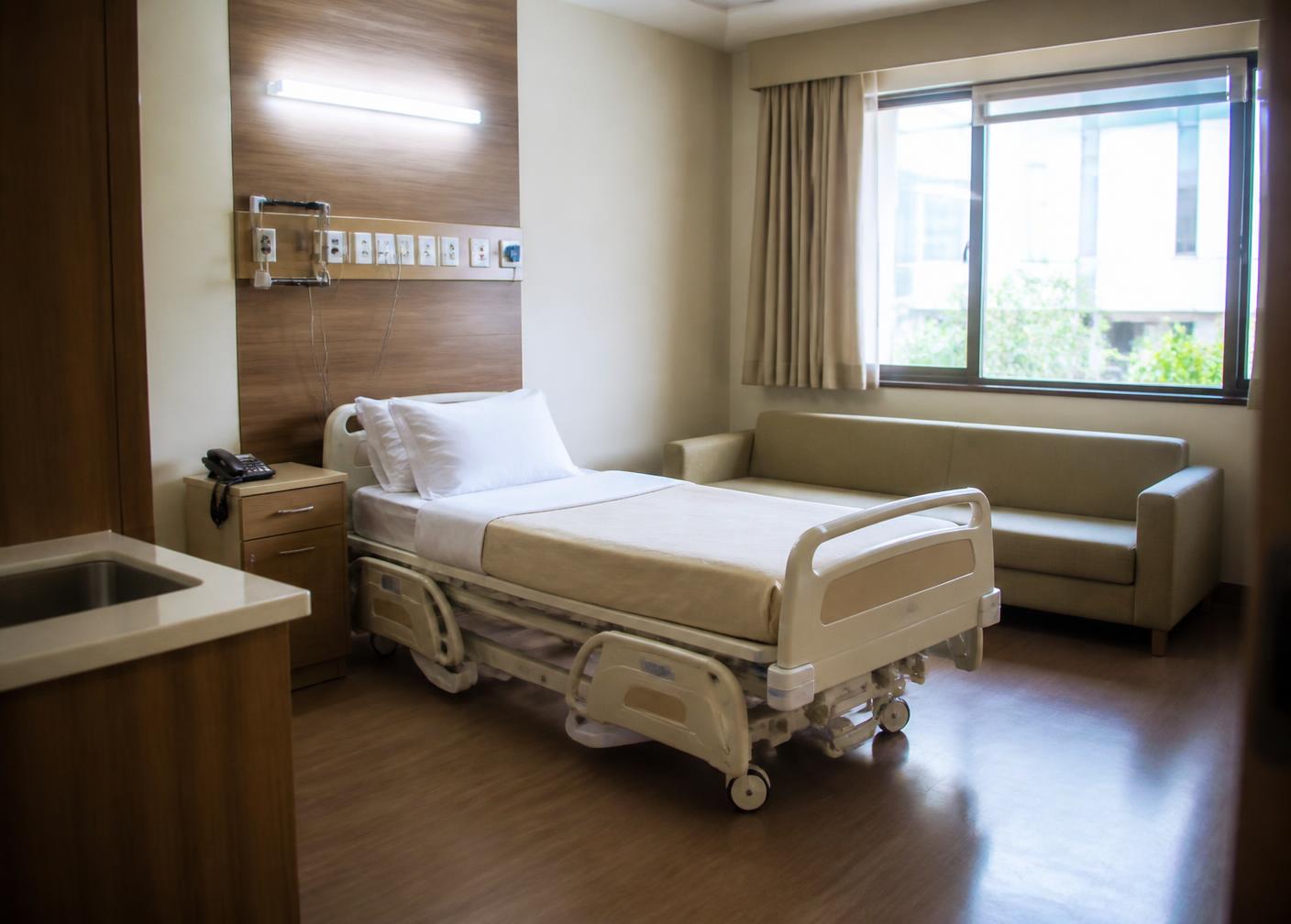
General, semi-private and private rooms, each with attendant space, a nursing call bell and piped oxygen at the bedside.
Quality and safety
- Infection-control protocol with regular staff training and audit
- Antibiotic policy reviewed by the medical committee
- Surgical safety checklist completed before every operation
- Biomedical waste segregated and disposed of through an authorised agency
- Patient complaints recorded and answered by the hospital administrator
- Written consent taken and explained before every procedure
At a glance
- Specialties & support services
- 10
- Trained urology expertise
- AIIMS
- Fertility centre on campus
- IVF
- Emergency & admission
- 24×7