General Surgery
Hernia: why it will not go away on its own
Department of General Surgery · 4 min read · Updated 17 July 2026
A hernia is a weakness in the abdominal wall through which tissue pushes out, producing a bulge that appears when you cough, strain or lift and often disappears when you lie down. It does not heal by itself, and belts do not repair it.
Who gets one
Heavy manual work, chronic cough, straining from constipation or an enlarged prostate, previous abdominal surgery and obesity all contribute. Groin hernias are much commoner in men; hernias at the navel and at old surgical scars occur in both sexes.
The repair
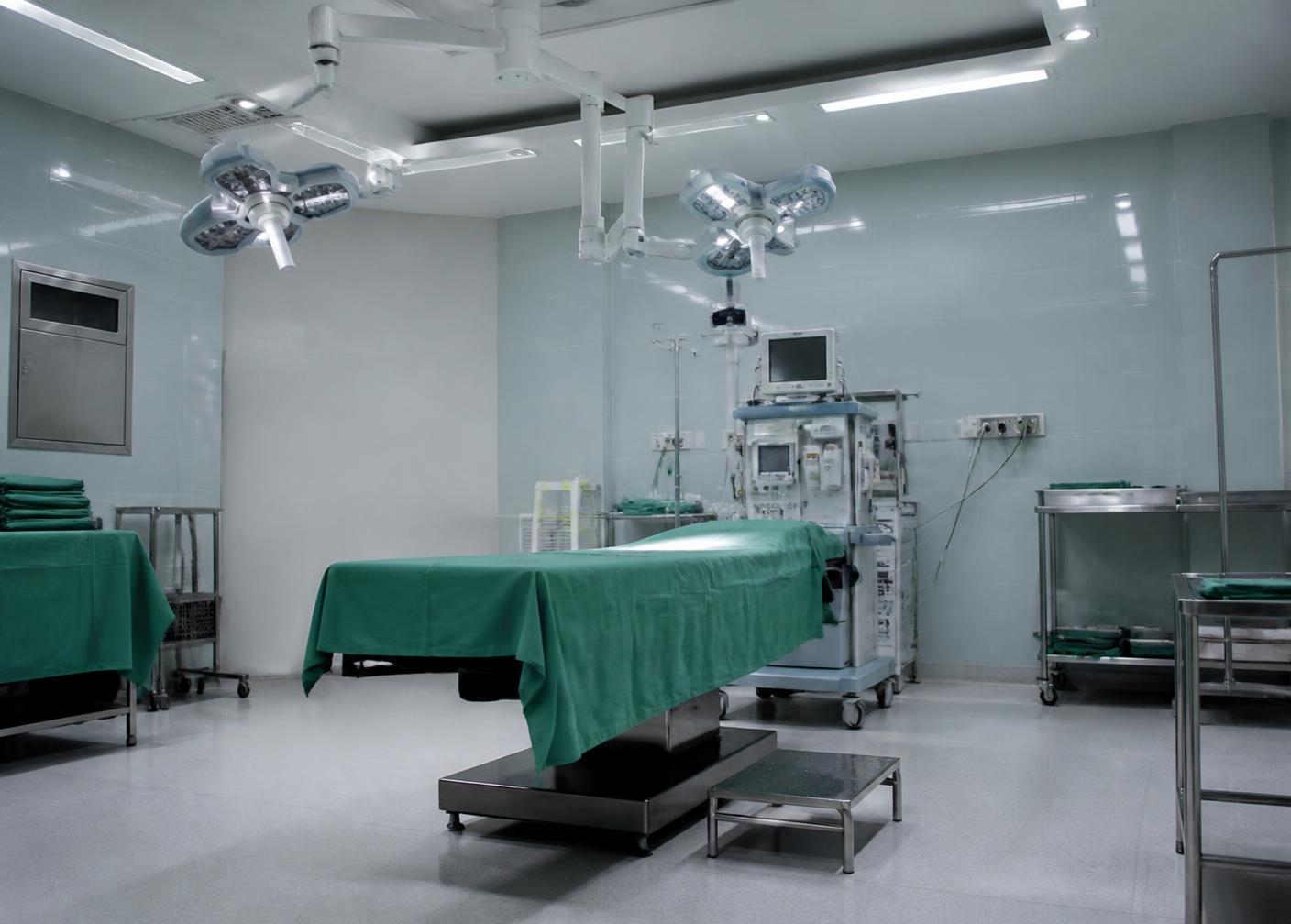
Repair is surgical, with a mesh placed to reinforce the weak area. Laparoscopic repair uses three small incisions and generally allows a return to desk work within a week to ten days; open repair is chosen for certain large or recurrent hernias. Heavy lifting is restricted for four to six weeks in either case.
When it becomes an emergency
If the bulge becomes hard and painful and will not push back in, especially with vomiting or a swollen abdomen, the contents may be trapped and losing their blood supply. That is a surgical emergency — come to the casualty immediately rather than waiting for the morning.
This article is general health information and does not replace a consultation. For advice on your own condition, book an appointment or call +91 80067 77996. In an emergency, call +91 80067 77996.
Book an appointment