General Surgery
Laparoscopic surgery: what keyhole surgery does and does not change
Department of General Surgery · 4 min read · Updated 11 July 2026
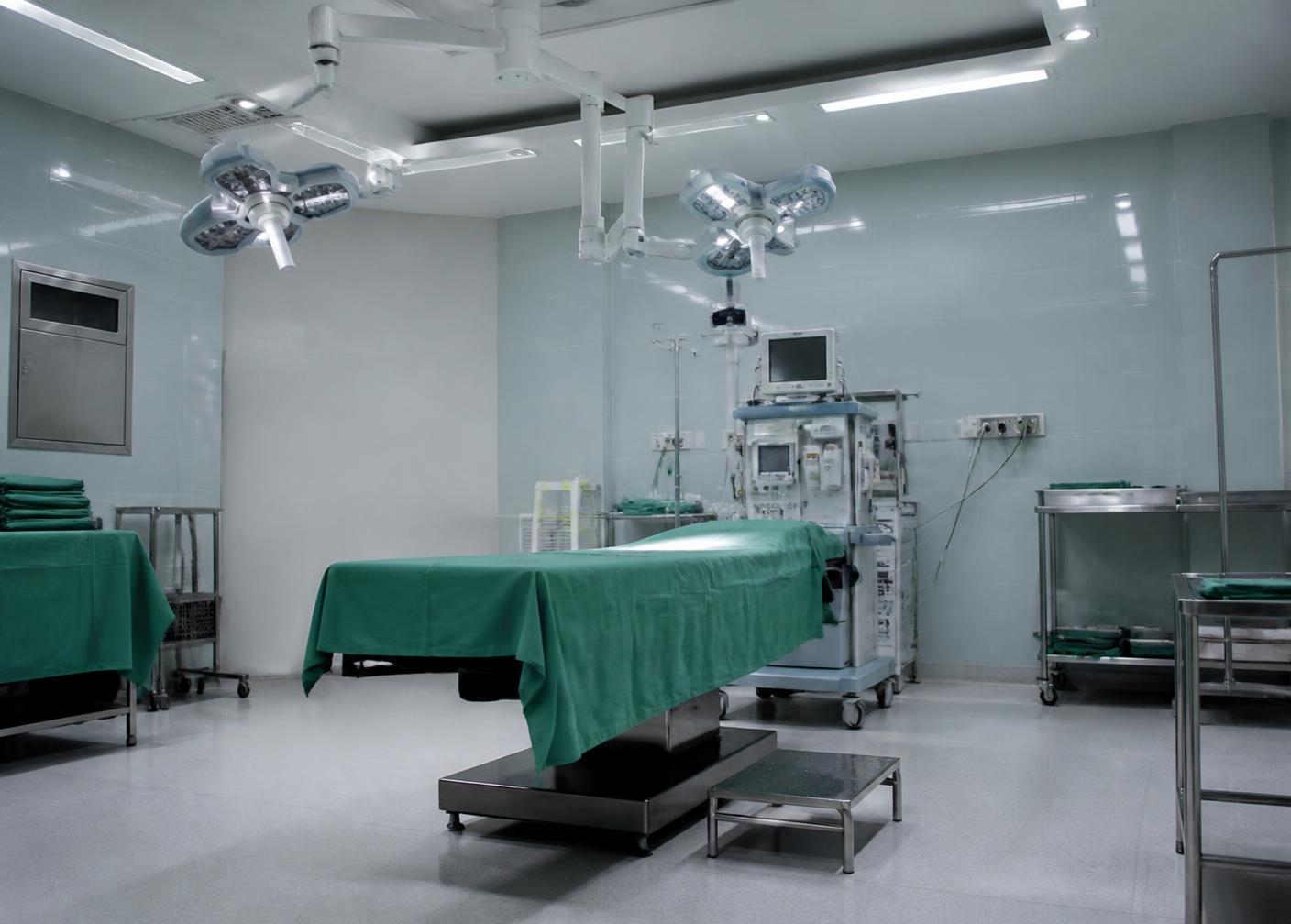
Laparoscopic surgery is done through three or four incisions of five to ten millimetres, using a camera and long instruments. It is the standard approach for gall bladder, appendix and many hernia operations, and it is also used to assess the pelvis in infertility.
What it changes for the patient
The advantages are real and well established, and they mostly concern recovery rather than the operation itself.
- Less pain after surgery and lower painkiller requirement
- A shorter hospital stay, often one to two days
- Small scars instead of one long one
- Faster return to work and daily activity
- Lower risk of wound infection
What it does not change
The operation performed inside the abdomen is the same operation. Anaesthesia is still general anaesthesia, pre-operative testing is still required, and the risks of the underlying procedure remain. Occasionally the surgeon has to convert to an open operation during surgery because of adhesions, bleeding or unclear anatomy — this is a judgement made for safety, not a complication, and it is discussed with you beforehand.
Preparing and recovering
You will be asked to fast from midnight, to bring your investigation reports, and to arrange an attendant. Afterwards, walking on the same evening is encouraged, stitches are usually absorbable, and a follow-up date is fixed at discharge along with written instructions.
This article is general health information and does not replace a consultation. For advice on your own condition, book an appointment or call +91 80067 77996. In an emergency, call +91 80067 77996.
Book an appointment