Women's Health
PCOS: irregular periods, weight and fertility
Department of Obstetrics & Gynecology · 5 min read · Updated 16 July 2026
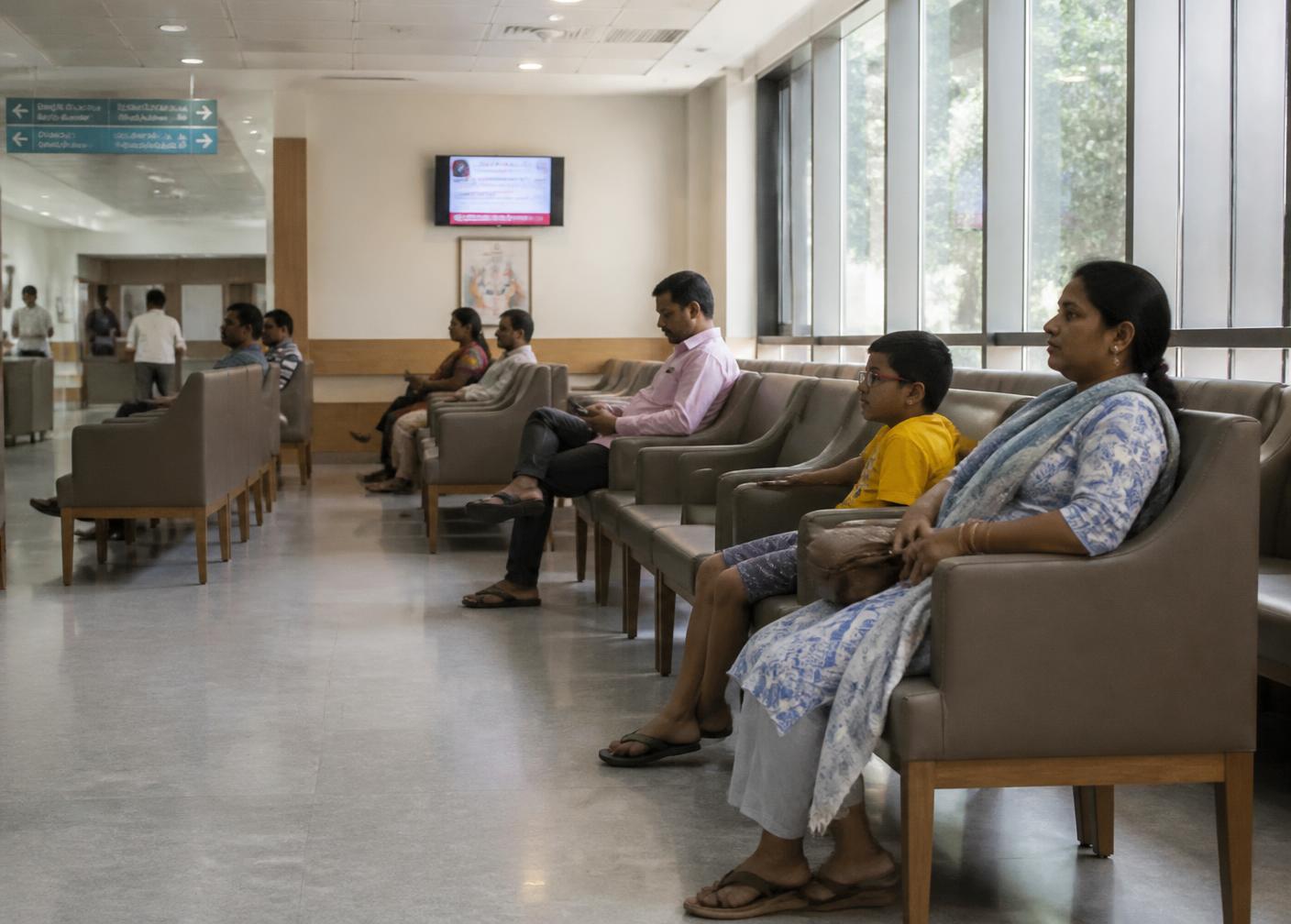
PCOS is one of the commonest reasons young women come to the gynaecology clinic — usually for irregular periods, sometimes for acne or excess hair, and often when a pregnancy is not happening.
Recognising it
The diagnosis rests on a combination of irregular or absent ovulation, signs of excess male hormone, and the appearance of the ovaries on ultrasound. Not every woman has all three, and the ultrasound picture alone is not the diagnosis.
- Cycles longer than 35 days, or fewer than eight periods a year
- Acne, oily skin or excess facial and body hair
- Weight gain, particularly around the abdomen
- Difficulty conceiving
- Darkened skin folds at the neck or underarms
Why it matters beyond periods
PCOS is linked with insulin resistance, which raises the long-term risk of type 2 diabetes and of high blood pressure and cholesterol. Screening for these is part of the follow-up, not an afterthought.
What helps
Weight, diet and regular activity make the largest difference — a five to ten percent reduction in weight often restores cycles on its own. Medication is added where it is needed: to regularise cycles, to control skin and hair symptoms, or to induce ovulation when a pregnancy is being planned.
PCOS is managed rather than cured, and the plan changes with the stage of life you are in.
This article is general health information and does not replace a consultation. For advice on your own condition, book an appointment or call +91 80067 77996. In an emergency, call +91 80067 77996.
Book an appointment