General Surgery
Hernia, appendix and gall bladder surgery, performed laparoscopically wherever it is safe.
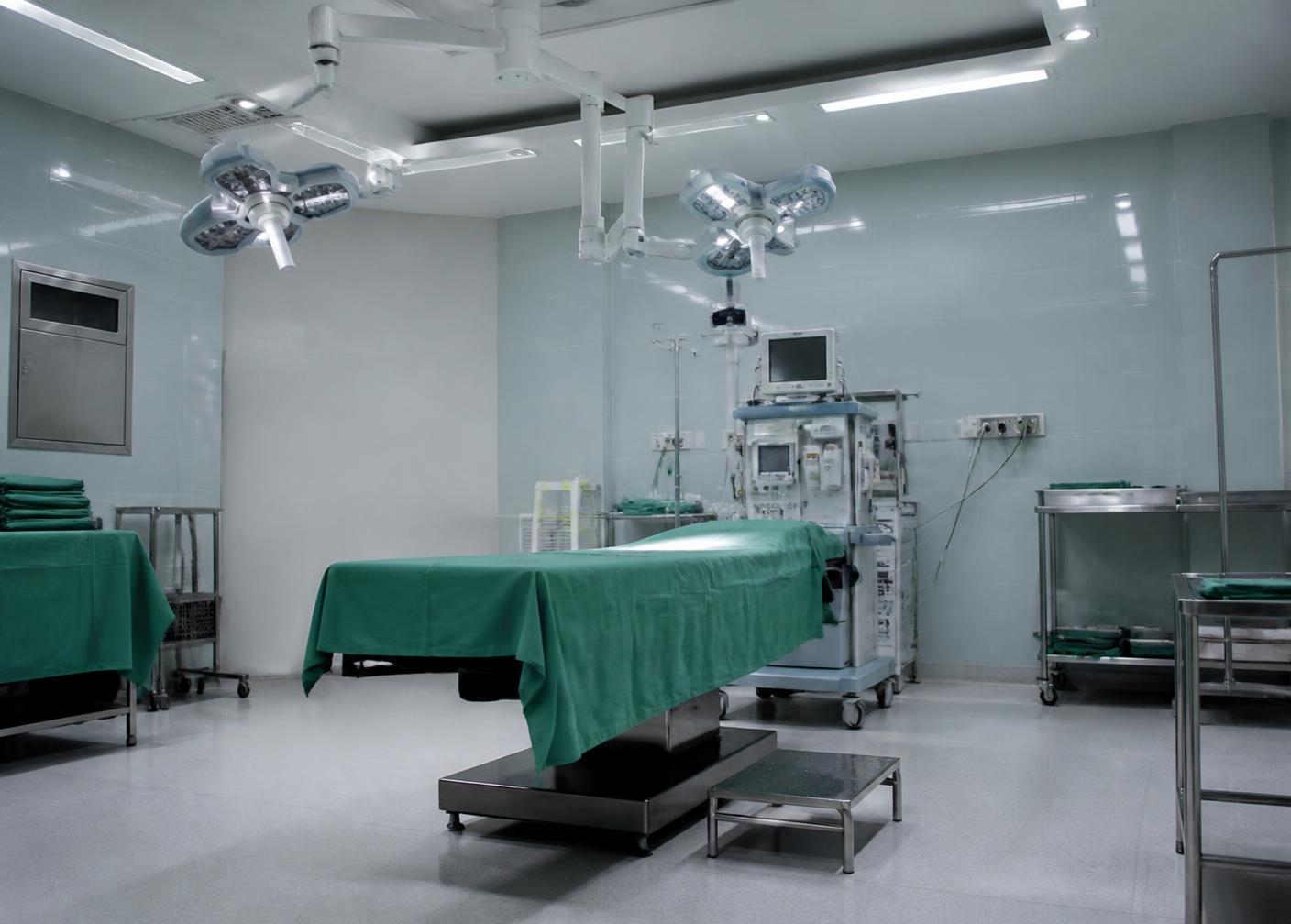
Overview
The general surgery programme covers the operations most families eventually need. Laparoscopic surgery is the default where the case allows, because it usually means less pain, a shorter admission and a quicker return to work.
Every planned operation is preceded by a written estimate, a pre-anaesthetic check and a clear explanation of what the recovery will involve.
Common operations
Hernia repair
A bulge in the groin or abdominal wall repaired with mesh, laparoscopically or open. Heavy lifting is restricted for four to six weeks afterwards.
Appendix surgery
Laparoscopic removal of an inflamed appendix, usually as an emergency, with most patients home within two days.
Gall bladder stone surgery
Laparoscopic cholecystectomy for stones causing pain after meals, jaundice or inflammation. Typically a one to two day stay.
Keyhole approach
Laparoscopic surgery
Three or four small incisions instead of one long one, using a high-definition camera. Where open surgery is safer, that is explained rather than avoided.
Diagnostic laparoscopy
Used when imaging cannot explain abdominal or pelvic pain, and to assess the tubes and pelvis in infertility.
Emergency abdominal surgery
Obstructed hernia, perforation and acute abdomen managed round the clock with theatre and intensive care support on site.
Emergency? Do not wait for an appointment.
Our casualty is staffed round the clock and our ambulances are on call across Bareilly city and the surrounding districts. Call first if you can — the team will be ready when you arrive.